
In a time wherein political unrest is at its height, it feels poetic for One Battle After Another to blast into cinemas like a stick of dynamite. Not even in the year of 2025, hell, not even in the month of September 2025, but the last full week of September 2025. On the day I watched One Battle After Another, there was a shooter in Dallas, Texas, who shot at an ICE facility, killing a detainee and injuring two others. In the last couple of weeks, Hollywood has been embattled between those who are pro-Israel and not following the active genocide occurring in Gaza.
First Amendment rights are a hot-button topic, especially in the face of manufactured controversy and real, honest to God, amendment violations. So then, here comes Paul Thomas Anderson, obviously without the foresight to predict how deep in the ass we are in terms of American political bull fighting, releasing the exact right movie at the exact right time. One Battle After Another captures the lunacy of American politics in a tactful two hours and forty-two minutes, with a driving tone and feel that only a master, such as Anderson, can pull off.
Discussion
From the jump, One Battle After Another places you in the fire. The movie starts with a propulsive, cinematically bewitching attack on an immigration detention center in California. Featuring a cavalcade of eccentric and eclectic revolutionaries dubbed the French 75, Pat Calhoun (Leonardo DiCaprio) and Perfidia Beverly Hills (Teyana Taylor) lead the film, where Calhoun is an explosives expert and Beverly Hills leads the French 75. They become lovers and welcome a child, Charlene, in the midst of their revolutionary activities. In an effort to preserve your experience, the other events will not be referenced directly. However, it’s not until a time jump occurs that you’re given a moment to breathe from the nerve-ending Smith Grind that is the first thirty or so minutes of One Battle After Another.
Each of the main characters in this film feels like their own complex, breathing person. Steven J. Lockjaw (Sean Penn) is self serving and finds his fate in a Biblical way to that of Eve, Beverly Hills is reactive to a fault landing her to a fate of shame, Calhoun is driven by an idea of “revolution” and thrill but not much else, Charlene Calhoun (Chase Infiniti) is a lost child looking for answers anywhere she can. I can go on and on, and even characters with a few lines provide a perspective into a world that feels eerily too real. Yet, the amount of serious consideration to how these people act and react is close to Anderson’s early career epic, Magnolia. Weirdly, One Battle After Another is the political answer to Magnolia’s ideas of isolation and abuse at the hands of men.
The Film’s Tone
One Battle After Another is designed to make you feel uneasy—in both an emotional and an “I need Dramamine” sort of way. The cinematic transposition of the emotional side and the visual side is surgically done to keep the viewer engaged in all facets. In one moment, you’re given these grand, awe-inspiring horizons. Then, in the next moment, you’re claustrophobically close to one of the actor’s faces.
Visually, it’s a theme park ride, one that excites and delights, while never leaving the emotional and social heart in the wind. Hell, there’s a sequence at the end of the film that is basically a theme park ride, and it is one of the most enthralling sequences ever put to celluloid. All of this is masterfully designed to drive the greater feelings of isolation, anxiety, desolation, and hope home. Even viewing it from the larger picture, in concurrence with current events, these feelings feel almost as if an extension of reality.
The Film’s Kairos
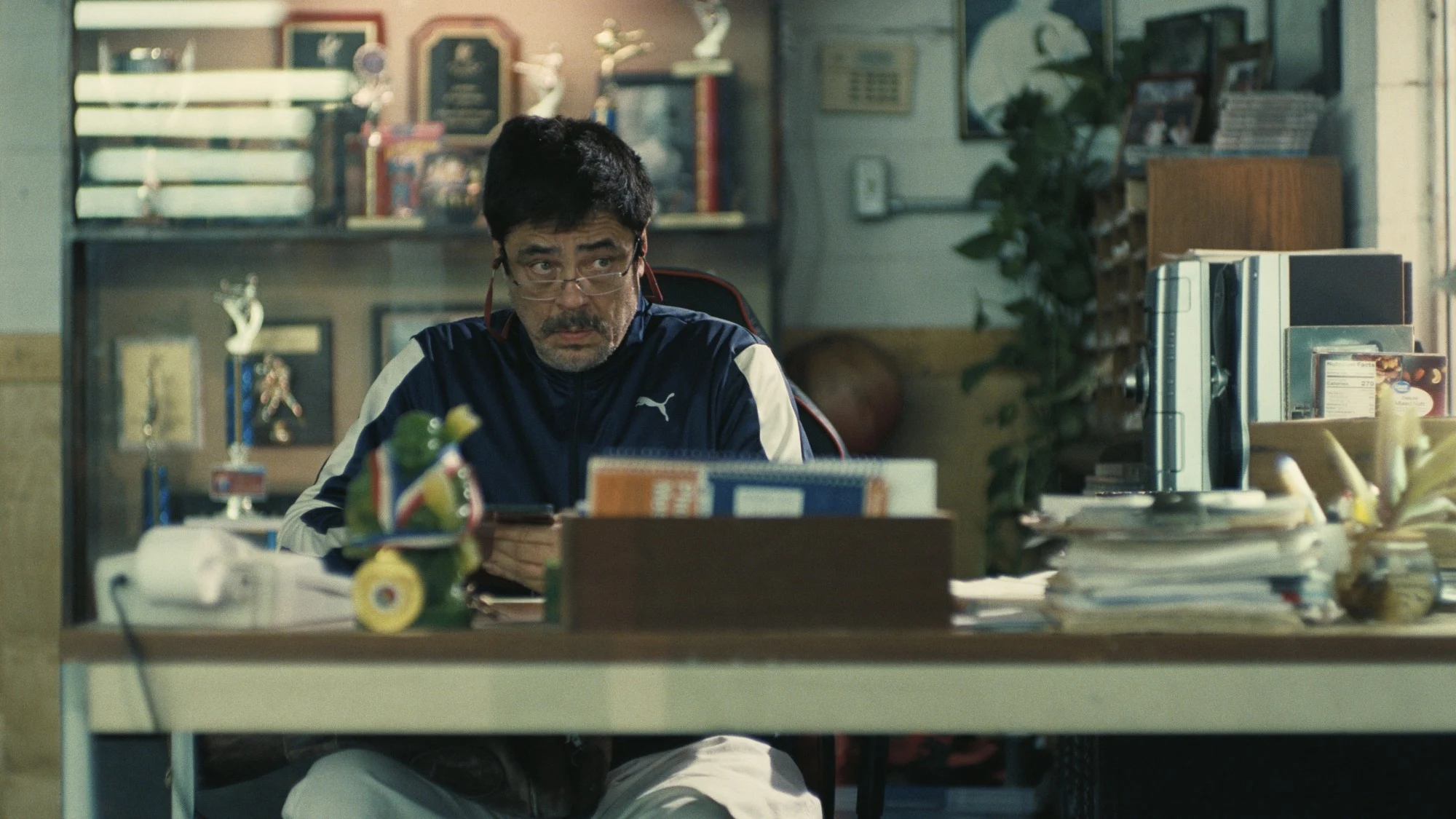
What makes One Battle After Another feel so timely is this schizophrenic element that drives the film. Nowadays, people on ‘X – The Everything App’ and Facebook are searching for the fastest and most appropriate solution to whatever travesty has just occurred. For example, a motive for Charlie Kirk’s shooter was already determined before his body could experience rigor mortis. Which is to say that the same level of excitability and mental gymnastics is stretched to its filthy ends with each character on screen (aside from Benecio del Toro’s character). This sensation bleeds into One Battle After Another to a frighteningly accurate degree.
Although One Battle After Another never seeks to hyperbolize the ends of the modern political spectrum, by way of Eddington, it also lends the type of empathy about why these people drive themselves at a moralistic level. “A higher calling”, “freedom”, “revolution” (for revolution’s sake) are all what drive these people. While there is a greater evil at play, the main group of people all desire a similar outcome—peace—, which is obscured by the real antagonists of the film, the Christmas Adventurers Club and the systems they uphold.
The Bottom Line of One Battle After Another
The greatest feature One Battle After Another has is something that modern America lacks, but needs more than the air we breathe—collectivism. Multiple times throughout the movie, regular people help out the protagonists with no reason other than helping the greater good. Furthermore, the antagonists would use the goodwill of others to fuel their violent ends. A great sense of community and goodwill feels so out of reach in the real world. Still, in the context of One Battle After Another, it sort of gives the viewer a soothing/hopeful element (is that a depressing thing to say?).
There is a social stake being driven between us at an alarming rate, although something like One Battle After Another can offer hope in the face of anxiety or uncertainty. Praise can be levied towards the excellent performances, music composer Jonny Greenwood’s (There Will Be Blood, The Master, Inherent Vice, Phantom Thread) enthralling score, and the overarching look of the film—but this is One Battle After Another’s greatest feat.
Final Thoughts on One Battle After Another
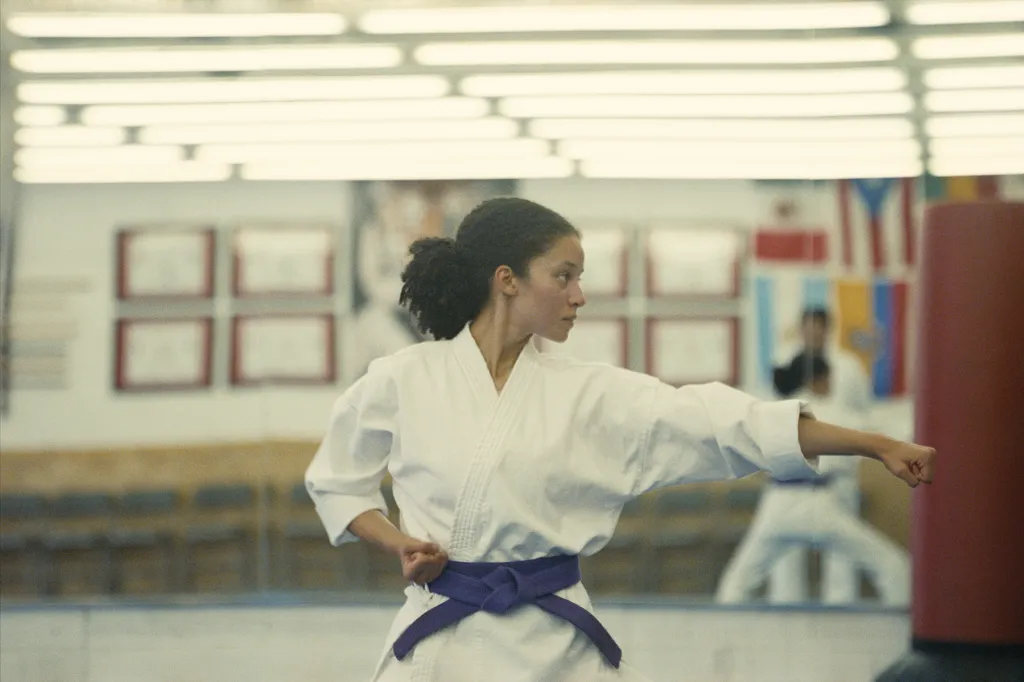
A new Paul Thomas Anderson movie will always garner anticipation from me, but never would I have thought the stoner-action-political thriller this was marketed as grip me in the way that it did. One Battle After Another is an explosively brilliant film and a towering achievement in filmmaking. If there’s any way to view this, then it’s in a theater with a group of people. The theater is always about the collective experience, but a movie that draws on collectivism is a perfect cinematic match. While the cultural place of this film may be influenced politically, I believe the film is sharp enough to cut through any tomfoolery peddled by political grifters and talking heads.
RATING: 10/10
Paul Thomas Anderson’s One Battle After Another is now playing in theaters!
For more action, comedy, drama, and thriller-related news and reviews, follow The Cinema Spot on Facebook, Twitter, and Instagram! Also, follow us on Letterboxd for further feature film, short film, and limited series reviews!
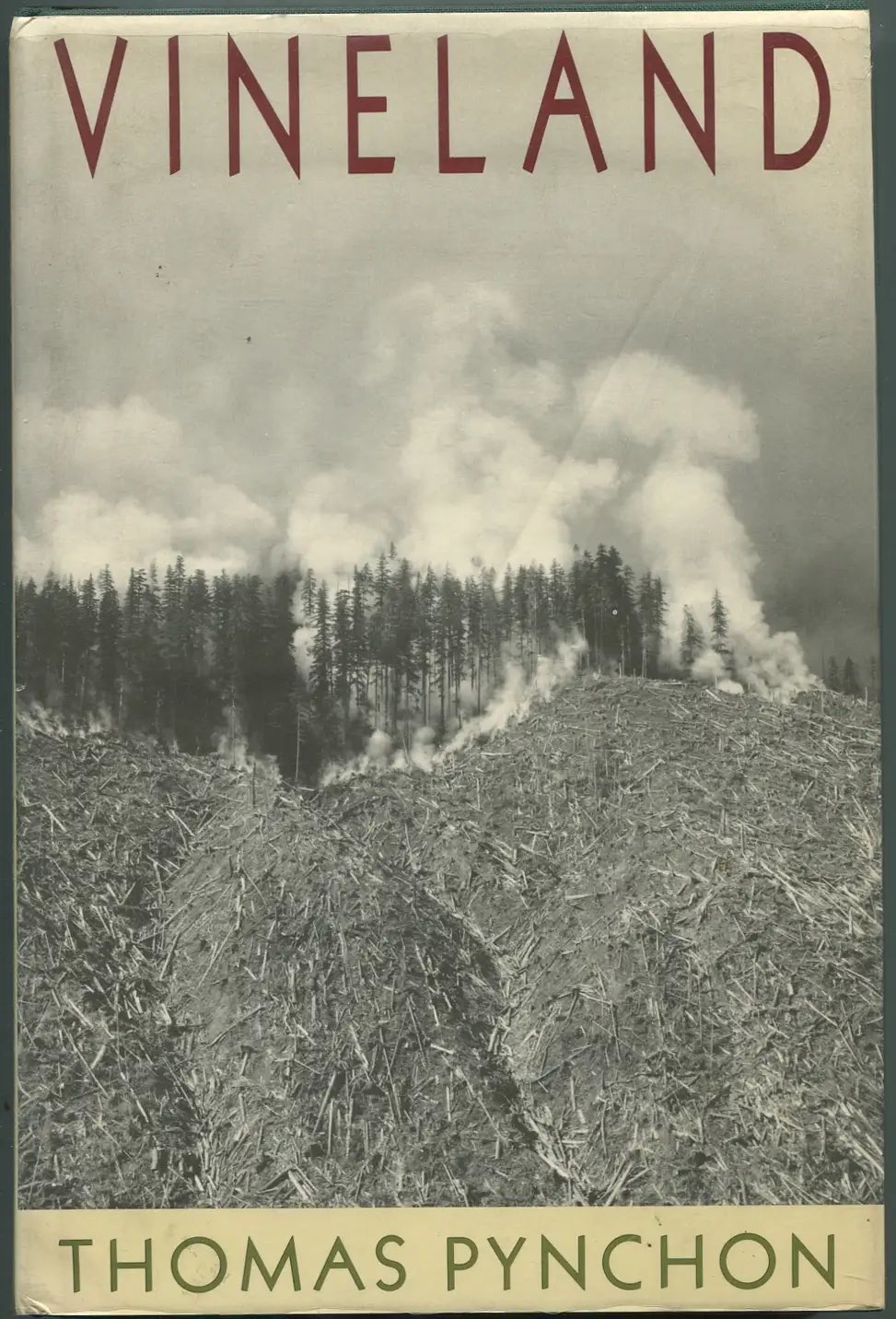
For a wider context, read Thomas Pynchon’s Vineland, the novel that serves as the inspiration behind One Battle After Another. You can pick up a physical copy via our Amazon Affiliates link!


One Comment on “‘One Battle After Another’ Non-Spoiler Review – A Cinematic Revolution”