
The first time I was exposed to a Safdie film was in my undergraduate years. As a big fan of the YouTuber Casey Neistat and as someone who frequented the local theater, the convergence of Neistat’s recommendation and the growing poster presence of Josh and Benny Safdie’s Good Time did everything it needed to do to get me in the theater. Although it’s not the point of this review, Good Time rocked in 2017, and it still does today. Fast forward and one Uncut Gems later (incredible picture), and we are so fortunate to not be getting one but two new Safdie films in 2025. One from Josh and one from Benny—Marty Supreme and, the focus of this review, The Smashing Machine.
Needless to say, I was incredibly excited for this. A new Safdie movie, in the world of sports—UFC, to be exact—, and a dramatic performance from an actor that would be discounted if any other director were at the helm. All things that should be a recipe for greatness… which pains me to report that The Smashing Machine is supremely okay, at best, and comedically bad at worst.
Discussion
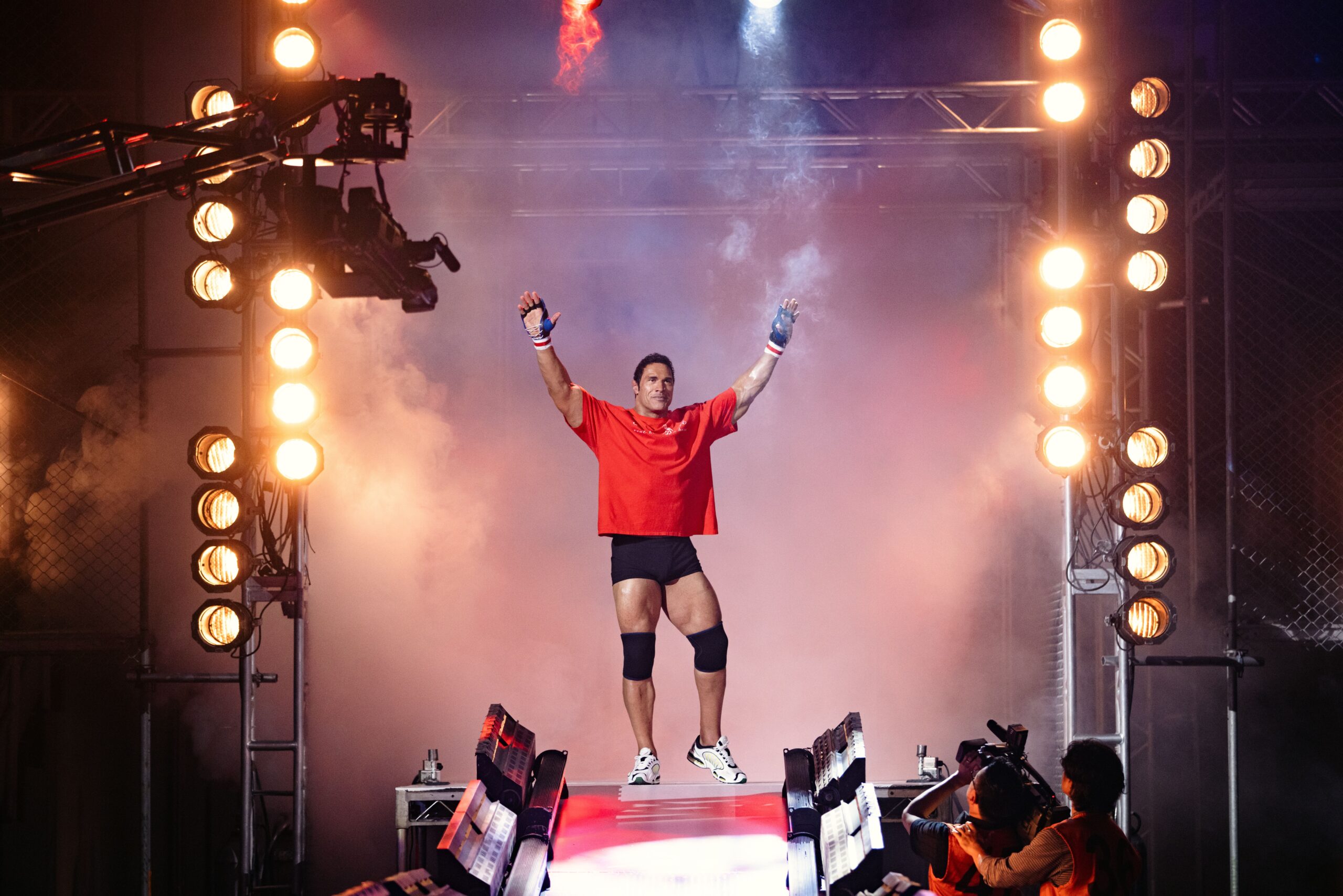
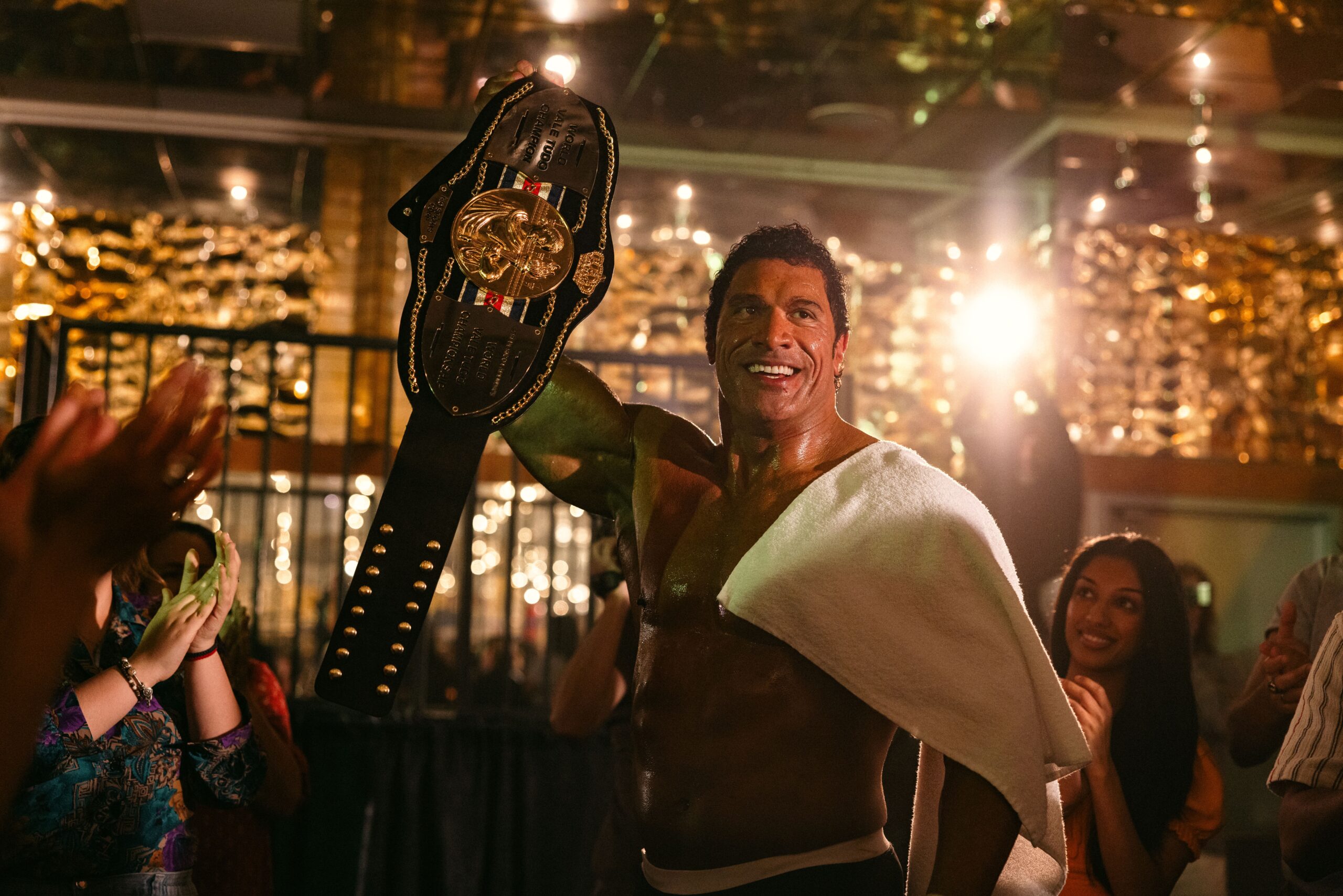
Producer Dwayne “The Rock” Johnson (the Fast & Furious film franchise) and Emily Blunt (Looper, Sicario, A Quiet Place, Oppenheimer) star in this sports flick about the life of real-life fighter and UFC pioneer, Mark Kerr. Johnson is made to look like The Smashing Machine, himself, Mark Kerr, and Blunt portrays his girlfriend, Dawn Staples. The movie, much like the 2002 HBO documentary of the same name, follows Kerr’s rise in the UFC and Pride Fighting Championship. Not much differs between the documentary The Smashing Machine and the dramatic portrayal of the same material The Smashing Machine. Kerr rises in fighting fame, he gets into explosive arguments with his then-girlfriend, and becomes addicted to opioids.
The Smashing Machine‘s Sins
What makes The Smashing Machine a bizarre movie is how it presents itself. The film is shot like a documentary. Director of photography Maceo Bishop’s camera zooms through the set as if we are in the room with Kerr and whoever else he’s with. While the style is an interesting perspective, it does little to set itself apart from the documentary of the same title. It comes across as if this took a beat from the television series, The Office (derogatory). The camera is also all over the place. It doesn’t know where to find the best shot for the focus to be properly displayed. This is especially distracting during fights when the camera isn’t in the ring, but rather on the outside as if we’re peering in like an audience. It is a creative choice, but not a particularly interesting one.
The buzz around this movie is how Johnson delivers an incredible performance in this film. While it is one of his better roles in recent years, the competition was either Black Adam or Jumanji. His seemingly even-keeled demeanor rivaling Blunt’s over-the-top hostility is a mess. By no stretch is it a lack of quality work from the two stars. Rather, there is a lack of proper direction between the two. It never felt harmonious between them. Instead, it always felt seedy and confusing. This was an unbelievable look between two stars that deserved a whole lot more. A lot of the dialogue between them borders on irony, rather than proper emotional investment.
A Dull Drama
The Smashing Machine’s greatest sin is not the issues that I have detailed above. It’s the fact that the A24 film is bizarrely boring. Benny Safdie’s other movies had a propulsive quality that kept you invested in these morally dubious characters. While Kerr isn’t anywhere near as dubious as Howard Ratner or Connie Nikas, his own troubles are not invested in enough to keep the momentum going. A movie about mixed-martial arts, opioid addiction, and an embattled relationship has the goods—but it never feels like its material is interesting enough to dig deeper than the surface level.
Some Goodness to It
As a whole, The Smashing Machine has good qualities about it. The look of the movie, music composer Nala Sinephro’s score, and the material being glossed over are all great. How Safdie and Bishop make use of the mixed film stock creates an interesting and visually exciting film. Sinephro’s score creates an appropriate atmosphere for a movie involving troubled individuals seeking greatness. And, while it never digs deeper than the surface level, the addiction, the fights, and the arguing are all great qualities. However, those elements never blossom into anything more. If a little more time had been used to elevate even one of those elements, then this would be a completely different (and honestly, better) film.
The cast of supporting characters keeps the film afloat. Ryan Bader, Oleksandr Usyk, and Bas Rutten are excellent alongside Johnson’s portrayal of Kerr. How they complement the screen and elevate the scenes they are present in makes up for the lack of cohesion between the two leads. The other supporting characters, while not as prominent as Bader, Usyk, or Rutten, keep the film moving appropriately and never drag it down. In moments where the film comes to a crawl, they keep the momentum going.
Final Thoughts on The Smashing Machine
At the end of the day, The Smashing Machine had loads of potential. Safdie has been making movies for almost two decades. Yet, his first big picture affair feels like a first-time director getting his bearings. The Smashing Machine isn’t a total loss as a film. There are great qualities about this film, but they’re unfortunately lodged in mediocrity like seeds waiting to sprout. The experience that you will get is inoffensive, and the two hours of your time spent watching this could be spent a hell of a lot worse. Unfortunately, this movie was not the smash hit that Safdie fans and UFC fans have been waiting for.
RATING: 6/10
Benny Safdie’s The Smashing Machine comes to theaters next Friday, October 3rd!
For more drama-related news and reviews, follow The Cinema Spot on Facebook, Twitter, and Instagram! Also, follow us on Letterboxd for further feature film, short film, and limited series reviews!


