
The year 1977 is regarded as one of the most important moments in cinema history. Widely known as the year that Star Wars reshaped the film business—for better or worse—the moviegoing landscape was morphing into the experience that we are more accustomed to nowadays. Event cinema enabled audiences to run to theaters for George Lucas’s iconic blockbuster. Yet, it was also the heavy hitters like Saturday Night Fever, Annie Hall, Smokey and the Bandit, and many others that paved the way for what is now known as the “cultural phenomenon.” Fifty years later, and while big blockbuster flicks are saved from the mysteries surrounding the fate of movie theaters, the event cinema movement—movies that aren’t made with the latest trend in mind—is getting lost in the process.
Enter Brazilian filmmaker Kleber Mendonça Filho, who unapologetically appropriates 1977 as the backdrop for his latest project, The Secret Agent. The film is a breathtaking story about a man on the run from nefarious forces during one of the most corrupt periods in Brazil’s history. Similar to the films released the same year, Mendonça crafts a liberating visual scrapbook filled to the brim with some of the best and worst shades of his home country without ever shying away from that same history and culture that both tortured and enriched the lives of this beautiful tale. This is not just another movie made by one of our greatest South American directors; The Secret Agent is a reminder of the power of the arts and how they can bring light and justice in moments when the law fails the people.
Sinopse
Here is the official synopsis for Kleber Mendonça Filho’s neo-noir historical political thriller film, The Secret Agent:
In 1977, under Brazil’s dictatorship, a widowed dissident flees a corrupt official and returns to Recife during Carnival to reunite with his son. Hunted by two assassins and aided by a benefactor, he discovers his hometown is far deadlier than he ever imagined.
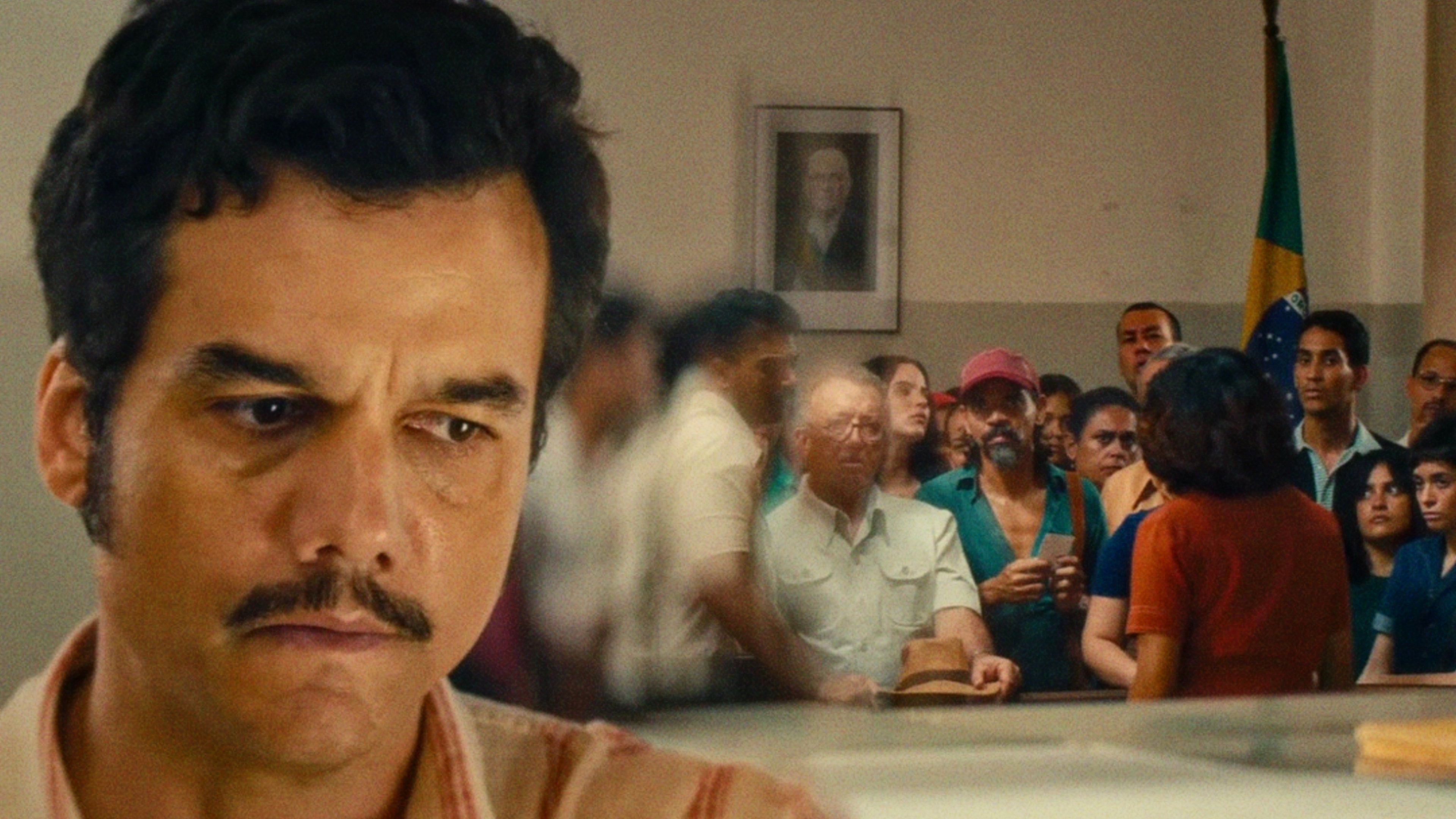
“Essa merda vai passar, entendeu?”
Usually, this is the part of the movie review that mostly points out how breathtaking the cinematography is or how beautiful the color palette is, but those aren’t just writing hooks to express what I witnessed with this film. Truly, The Secret Agent‘s biggest highlight is its presentation. The world in which Armando Solimões (Wagner Moura) lives is as tangible as walking down to your local street corner, with a certain warmth that makes the movie-watching experience feel even more endearing for Latin American viewers who have never stepped foot in Pernambuco. It’s due to the delicate work by cinematographer Evgenia Alexandrova that transports viewers to a lost period of Brazil’s history without ever getting lost in the subtexts that its main story brings along.
The Secret Agent‘s strength relies on the ambiguity of Armando’s journey throughout the story. Even though his character is not an actual secret agent, the title reflects the type of life that Armando is traversing through after a specific incident completely changed the course of his family’s history. The link between the title and the plot works masterfully, to the point where Armando has a double identity and moves on a low profile as if it were another James Bond chapter. The difference is that Armando is just your everyday guy who was wronged by evil men complicit with the corruption that creeps through the country.
A deeply layered individual, Armando also presents a certain guilt for not being there for his son, Fernando (Enzo Nunes), during the difficult situations he is facing. His circumstances are one of those unfortunate events that surrounded the common lives of Brazilians affected by decisions made by people in higher power during Geisel’s military dictatorship and those before. These types of aggressive government tactics backed by the United States impacted thousands of communities on a systematic level, one that Mendonça acknowledges indirectly through the different scenarios Armando stumbles upon while he hides in his hometown.
Thanks to Moura’s subtle performance, Armando’s train of thought and emotions tie the story into a relatable tale of survival and redemption. The tension and hope that the Narcos actor transmits as Armando, this suddenly important character that Mendonça wishes that the audience latches onto, is as natural as it can get for the Brazilian actor. Without a doubt, his participation is one of the most impactful roles of 2025 and a solid contender for Best Actor this year.
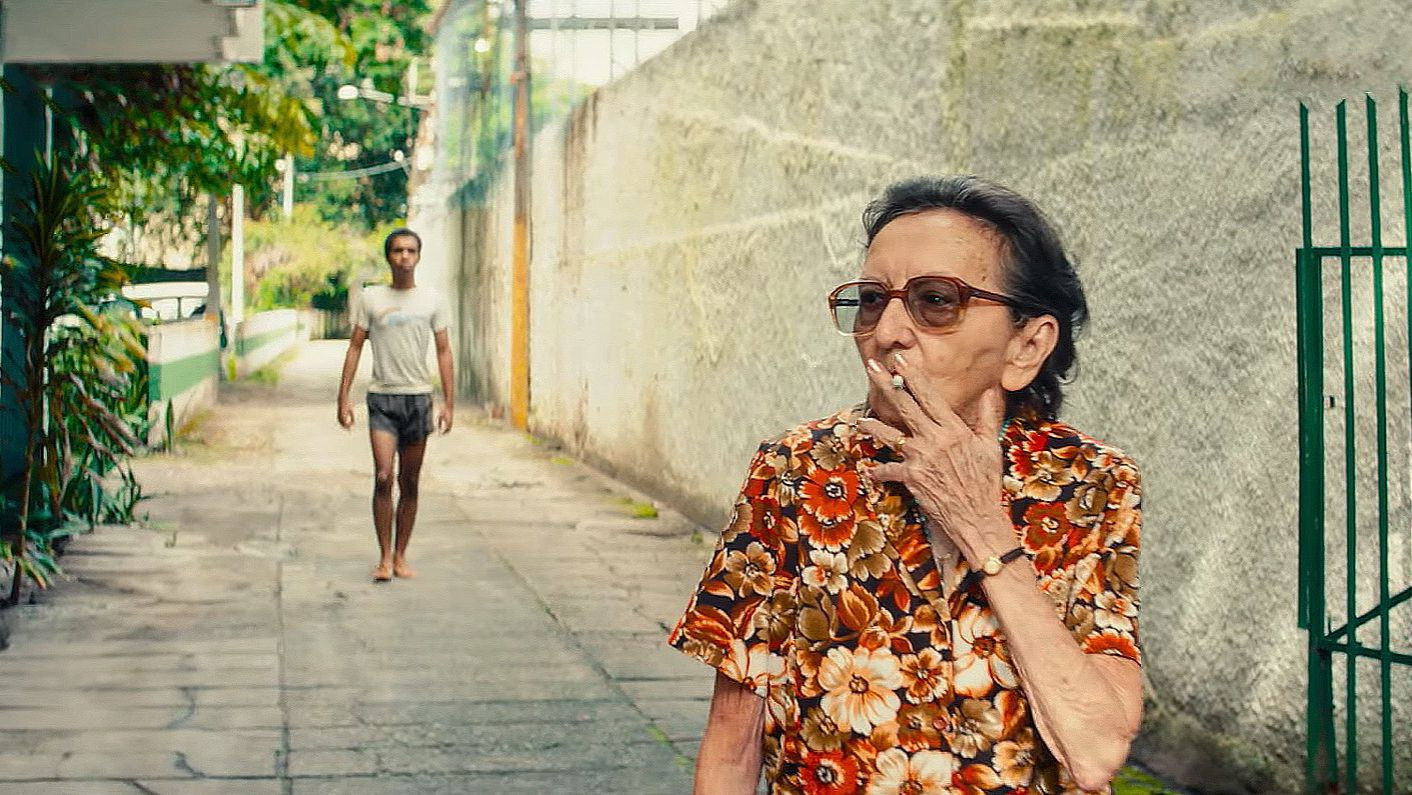
“Tenho amigos em todos os lugares”
Instead of counting on the theatrics and presentation of other Hollywood productions like Andor (an excellent double billing/study session for how they share similar themes on authoritarianism), Mendonça utilizes Armando for more than just a symbol of survival in Latin America; he bears the responsibility of representing the actual lives that were traumatized by the military dictatorship and got erased from history in the process. Those are the types of leading performances that—ironically—get lost in history in favor of “louder” participations. But make no mistake, Moura’s presence is as endearing and remarkable as any other actor in recent years.
What’s even more striking about The Secret Agent is Mendonça’s approach to a complicated political period in Brazil’s history (hairy legs included). Focusing less on the corruption as a whole from the government’s perspective or the characters on-screen, the director manages to push those elements as the backdrop for Armando’s world at the same time that he’s projecting Brazil’s (poisoned) world with openness. The way people speak about their situations, how they’re moving during their day-to-day, and the fact that there’s a carnival season occurring while the dictatorship strives are all signs of a director acknowledging that everything we do as a species is as political as it can get.
That’s not to say that the film relies mainly on the nuances and never shies away from pointing out the obvious implications of living during a period of inequality for the lives of millions of people in South America. The Secret Agent presents the actions of manipulative officials through a truthful lens of the reality the people of Brazil suffered during the Seventies, one that will forever be studied for generations.
The Secret Agent‘s Supporting and Minor Characters
Similar to Andor‘s use of secondary characters, The Secret Agent carries an impressive ensemble that energizes Armando as a person while reminding him about the things that are supposed to matter most in his life. Luckily, Armando also has “friends everywhere” and depends on the help of Dona Sebastiana, played stupendously by Tânia Maria. Dona Sebastian is the glue that keeps her small community from shattering during the hardship and serves as another symbol of resilience for those looking for light in the world. Barely a minute goes by, and Maria sweeps the audience off their feet thanks to her sensibility and compassion for her people.
The rest of the cast also delivers on the particularity of each character. Actors like Udo Kier, who represents a Jewish German who moved to Pernambuco as a way to escape his own inequality, only to be patronized by the Brazilian police officers who are tainted by the same corrupted mindsets of his oppressors. Even with their limited screentimes, each one of Dona Sebastiana’s guests is as crucial and impactful to Armando’s life as they unmask the traumas that their town suffers while he embraces the time he has left with his new “people”, one that made sure he felt safe.
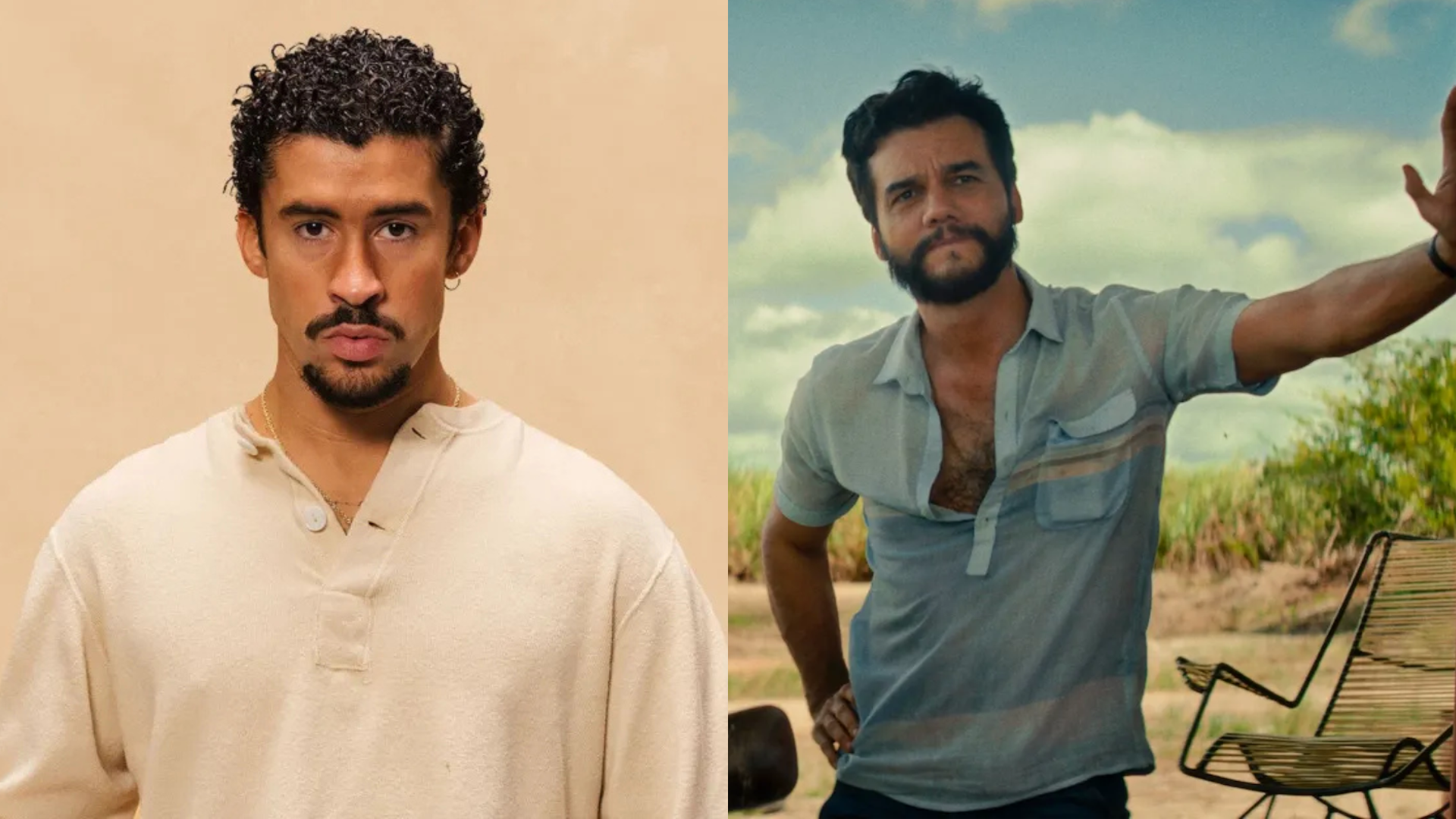
“DeVeRia Ter TiRaDo MAis FOTos”
I started my last review sharing my thoughts regarding cinema’s power as a tool for artists to express the collective emotions, fears, and dreams that shape the human experience. It’s the reason why audience members cherish the actors that—in some way or form—helped define their worldview. As a relevant example, an actor such as Catherine O’Hara is such a strong figure in film history that it’s difficult to visualize a world without her even after her passing this year. The constant rewatches of her filmography are probably core memories of millions of movie fans around the world, regardless of the projects in which she participated. And yet, the amount of energy the audience member focuses on remembering the person is what allows their memories to live for centuries.
In The Secret Agent‘s case, the film finds innovative ways to incorporate recordings and memories as the transcriptions for Armando Solimões’s story, Mendonça’s intelligent decision to use unreliable narrations that cut in-between what happened in 1977 and what’s going on today makes this movie stand out from the rest. The use of nostalgia, one that defines the Brazil from that timeline as a lingering memory, and the number of “holes” that were left between each recordings that tells Armando’s journey are orchestrated to precision for this very story, something that would enable multiple rewatches for audience members—especially non-Latinos—to truly grasp the world they’re being transported to from the moment they hit “Play.”
Personal Connection
What made this movie-watching experience even more satisfying was how easily Kleber’s work could be linked to my own culture and the political conflicts of Puerto Ricans living on the island. Just recently, Bad Bunny shocked the world with his Super Bowl halftime show based on his last album, DeBÍ TiRAR MáS FOToS, a project that shares similar philosophies with Mendonça’s film regarding memories, recordings, and nostalgia. Benito Antonio Martinez Ocasio has been vocal with his music being made directly for Puerto Rico and for Puerto Ricans around the world, and DtMF displays the Vega Baja artist’s connection with his culture, the struggles his people faces and how his music has been the necessary exposure to finally lift the island’s spirit after years of colonial punishment, all while pushing the culture into American mainstream.
Much like Mendonça with his motherland, Brazil, Benito doesn’t shy away from speaking out about Puerto Rico’s political climate through his body of work. Title tracks such as “LO QUE LE PASÓ A HAWAii” are used as a warning of the colonial impact both islands are currently dealing with as a result of years of being properties of the United States. The beauty behind these coincidences shows how connected the world is through the arts. Artists all over the globe, such as Mendonça and Benito, can accomplish a cultural impact through each outlet. Both the Brazilian film and the Puerto Rican album share a sentimentality towards memories and how they’re tools of healing for their people; a way to rejoice in what was once lost.
Considerações Finais
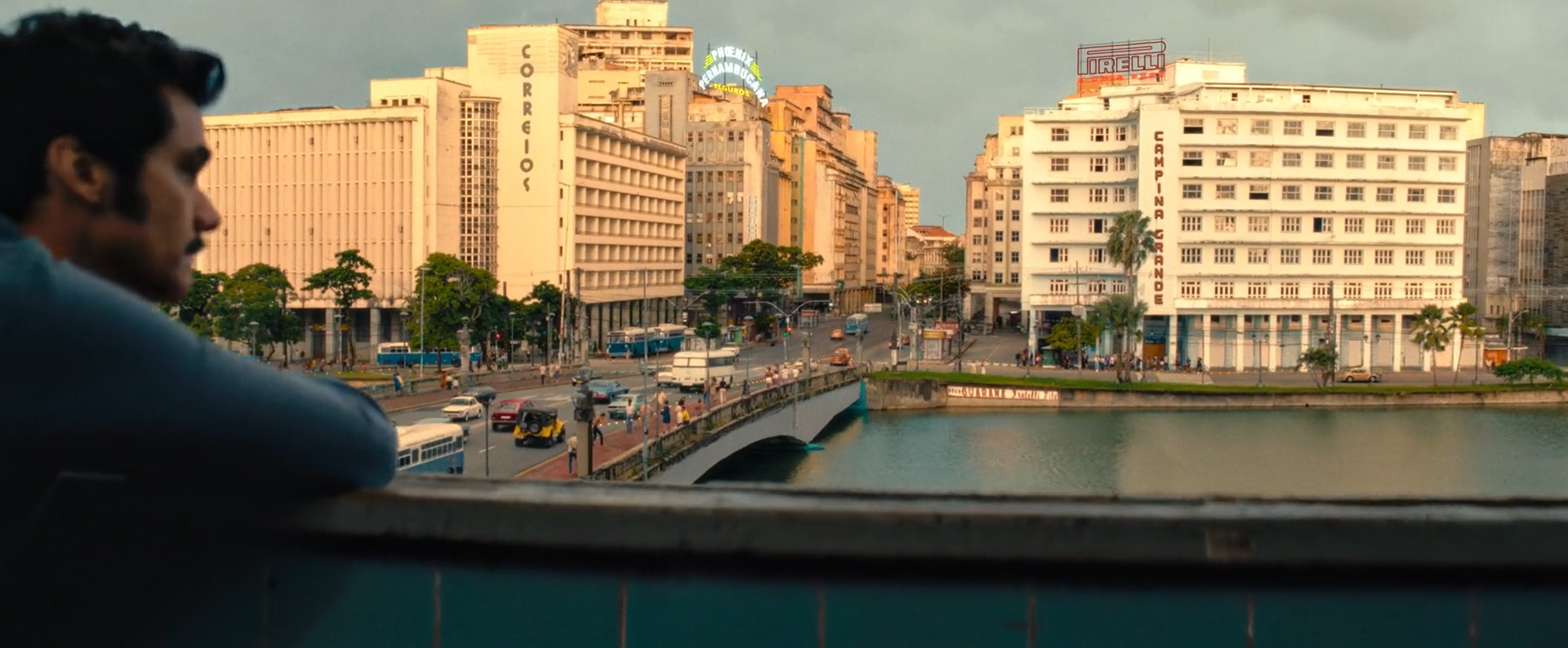
Photo credit: NEON
Sometime during the latter half of the second act, Armando stumbles upon a huge block party in the middle of the streets and witnesses how people are enjoying themselves during difficult times. As any other sane human being who can’t seem to catch a break, there’s nothing else he could do but dance the night away as well. This simple gesture might not look like much for general audiences. However, for those in Latin America and many others around the world going through hardship in their own ways, it hits too close to home. Armando’s decision to enact his free will is as much a political statement as Benito’s halftime show, demonstrating once again that celebrating life through music and dance has the power to strengthen communities in ways that weaken opposing factors.
The Secret Agent is not only one of the greatest films of 2025, but it’s a unique approach to filmmaking that opens the door for more artists from different backgrounds to craft and publish their stories based on their cultural roots. As a Puerto Rican who barely had a grasp of what happened in Brazil during that specific period of time before witnessing Kleber Mendonça Filho’s latest work, I have never been more impacted by a film’s sense of identity and confidence in its artistic expressions, with such comfortability on the reality this political thriller is transmitting on-screen, regardless of who’s watching.
For more International releases, related news and reviews, follow The Cinema Spot on Facebook, Twitter, and Instagram! Also, follow us on Letterboxd for further feature film, short film, and limited series reviews!


21 Comments on “‘The Secret Agent’ Non-Spoiler Review: “O QUE ACONTECEU COM O BRASiL””